
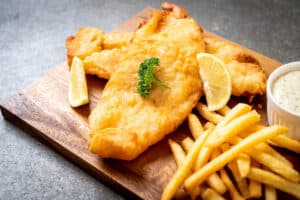
What are the best fats and oils for your chippy?
The choices for deep frying can be overwhelming. With so many options, how are you expected to choose? And choose the right one for your business and customers?
Well, this post is here to shed some light on the different types of fats and oils that can be used for deep frying, and the things you need to consider when buying and using them.
The internet can be a battlefield when it comes to finding what you need – lucky for you, I’ve put together a short but effective list of everything you need to know!
Things to consider before deciding on a product
The key thing to remember before investing in a fat or oil product for your business, is regional differences.
The UK takes fish and chips very seriously, us included, so it is critical that you understand the palettes of your local community, and more specifically, your customers.
The fats and oils that are used depend on where you are in Britain, much like whether cod or haddock is the best seller for your area.
Regional Differences for Fats and Oils
Traditionally, beef dripping is used in the north whilst vegetable and peanut oil are more commonly used down south. Whilst beef dripping is a traditional choice and produces a great result, a lot of shops are now using vegetable oil for their frying. By frying in vegetable or nut oil, it makes it suitable for vegetarians, and makes for an all-round healthier option.
Overall, it’s important that you don’t stray too far from the accustomed palette of the community you operate in. So, keep that in mind when choosing your frying material.
Other things to consider before buying
Before settling on a frying oil or fat, you also need to think about some other aspects besides regional differences.
Smoke Point
The smoke point is the temperature at which the oil breaks down and, you guessed it, smokes. For frying, you want a smoke point that isn’t too low that it burns. You also don’t want it too high as that can lead to harmful compounds being released through excessive smoking.
For deep frying you want a high smoke point. If you don’t, your oil will break down and the batter will be soggy – which is a big no no!
Temperatures for deep frying should range from 175C to 190C. Any lower and you’ll have a very sad looking battered (or not) fish.
The smoke point varies between different types of fats and oils, but overall, you want to be looking for a fat or oil with a high smoke point.
Flavour Transfer
Flavour transfer can happen when the oil absorbs the flavour of the food you are frying. It can also be transferred to the next batch that is to be fried.
For optimum flavour for your frying, you will want to choose a medium that has a neutral flavour. This way, no flavours will be passed over to products. Whilst beef dripping can provide a nice subtle flavour in the batter, some people prefer an oil or fat with little to no flavour transfer.
Also, it’s important to keep the oil you fry your fish in separate from your other products. The last thing you want is for your chips to smell like fish!
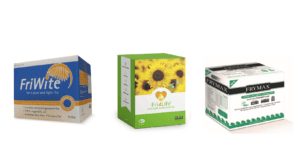
The best Fats & Oils for your business!
The list is finally here! With the above considerations in mind, here are some top recommendations for frying fats and oils.
Beef Drippings:
Frying Fats:
Frying Oils:
- Fri4Life Sunflower Oil
- Q Vegetable Oil and Palm Oil
- Frymax Rapeseed and Vegetable Oil
- Spavin’s Palm Oil
A reminder that all the palm oils are sustainable palm oils. To learn more about what that means, click here.